May 26, 2026
Prioritizing Workouts in Schedules: How to Make Fitness Non-Negotiable
May 26, 2026
Prioritizing Workouts in Schedules: How to Make Fitness Non-Negotiable
May 26, 2026
Prioritizing Workouts in Schedules: How to Make Fitness Non-Negotiable
Carving a 30-minute workout into a jam-packed day often hinges less on motivation and more on smart planning—specifically, prioritizing workouts in schedules so they actually happen. For many fitness enthusiasts and busy professionals aged 18–35, the challenge isn’t knowing what to do; it’s fitting it into a life full of classes, shifts, deadlines, social plans, and endless short-form workout videos saved across Instagram and TikTok. This article lays out a practical, science-backed roadmap for turning intention into action, with real scheduling templates, habit tricks, and tools (including how the Fitsaver App can make the process seamless).
Why Prioritizing Workouts in Schedules Matters More Than Motivation
Motivation fluctuates. Energy levels vary. Life interrupts. That’s why the people who consistently exercise don’t rely on goodwill alone—they build systems. Prioritizing workouts in schedules is about designing those systems so workouts are treated like critical appointments rather than optional extras.
When workouts are scheduled and protected, several things happen:
Decision fatigue decreases: There's no daily debate about whether to train.
Accountability increases: A time on the calendar signals commitment to others and to oneself.
Habit formation accelerates: Repeating an action at a set time builds automaticity.
Performance and recovery improve: Consistency allows progressive training loads and planned rest.
Common Scheduling Roadblocks (And How to Solve Them)
Before getting into tactics, it helps to recognize common stumbling blocks:
1. "I don’t have time"
Many people underestimate what can be done in 20–30 minutes. Research shows even short, focused sessions (like high-intensity interval training) offer meaningful health and fitness benefits. Treat training like a work meeting—short, intentional, and non-negotiable.
2. "I forget or get distracted"
Distractions multiply when workouts are undefined. Blocking time, setting reminders, and preparing equipment the night before removes barriers.
3. "Saved videos are chaotic"
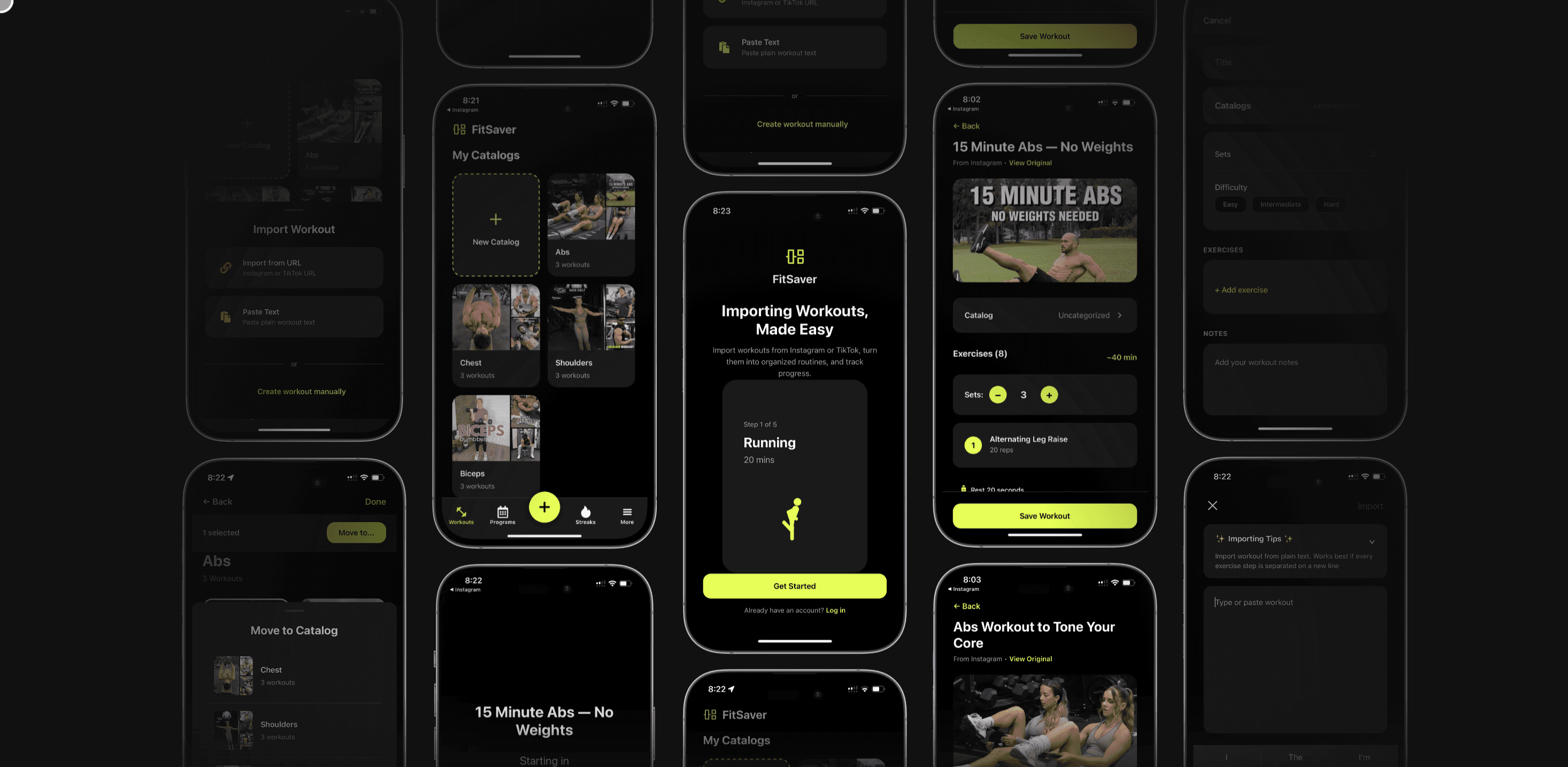
Social-media workouts are inspiring but scattered. Users often save dozens of clips and never structure them into a plan. That’s where tools like Fitsaver that convert short videos into routines become valuable—turning inspiration into action.
4. "I don’t know what to prioritize"
Goals guide prioritization. Weight loss, strength, mobility, or endurance each require slightly different time allocations. Once goals are clear, schedule priority follows naturally.
Frameworks for Prioritizing Workouts in Schedules
Different scheduling frameworks suit different lifestyles. Here are practical systems that help the 18–35, social-media-savvy crowd lock workouts into their weeks.
Time-Blocking (The Most Straightforward)
Time-blocking assigns specific periods for activities and protects them. For workouts, choose consistent slots—early morning, lunch, or evening—and block them on the calendar as workout or training rather than vague tags.
Example: Monday, Wednesday, Friday — 6:30–7:00 AM strength; Tuesday, Thursday — 12:30–1:00 PM cardio.
Tip: Treat the block like an appointment. Add location and buffer time for changing and showering.
Priority Pyramid
This approach ranks activities by importance. At the top are non-negotiables (sleep, work), then high-priority workouts (strength or key runs), followed by supplementary activities (bonus mobility or social classes).
Example: If training for a half-marathon, long runs get top priority; strength sessions shift to secondary slots.
Tip: Use the pyramid to decide which session to skip on busy days—skip the least essential.
Theme Days
Assign a focus to each day—“Leg Day Tuesday,” “HIIT Wednesday,” “Mobility Sunday.” Themes reduce planning time and help balance training modalities across the week.
Example: Monday—Upper Strength; Tuesday—Lower Strength; Wednesday—Active Recovery; Thursday—HIIT; Friday—Full Body; Saturday—Outdoor Activity; Sunday—Mobility.
Micro-Workout Strategy
Break workouts into short segments scattered throughout the day—three 10-minute sessions can be as effective as a continuous 30-minute workout for maintaining consistency and metabolic benefits.
Example: Morning mobility, midday strength circuits, evening walk.
Designing a Weekly Schedule: Practical Templates
Below are templates tailored to different goals and lifestyles. They show how to prioritize workouts in schedules without chaos.
Template A — Busy Student or Early-Career Professional (30–45 minutes)
Monday: AM 30-min Strength (Full Body)
Tuesday: PM 30-min Cardio/HIIT
Wednesday: AM 30-min Strength (Upper Focus)
Thursday: PM Active Recovery or Mobility
Friday: AM 30-min Strength (Lower Focus)
Saturday: 45-min Outdoor Activity / Social Sport
Sunday: Rest or Mobility
Template B — Goal: Build Strength (45–60 minutes)
Monday: Heavy Lower (Squats, Romanian Deadlifts)
Tuesday: Light Cardio + Mobility
Wednesday: Heavy Upper (Bench, Rows)
Thursday: Accessory + Conditioning
Friday: Full Body Moderate
Saturday: Active Recovery (Yoga / Walk)
Sunday: Rest
Template C — Travel or Variable Schedule
For people whose days shift unpredictably, prioritize three short sessions that can be done anywhere.
Daily: One 20-minute workout, scheduled flexibly (morning if in city, evening if on road).
Weekly: One 45-minute longer session on the least busy day.
Practical Steps to Lock a Workout Into Any Schedule
1. Determine the Minimum Effective Dose
Define the smallest session length that still moves goals forward. For general fitness, 20–30 focused minutes three times a week often produces noticeable results.
2. Use Calendar Commitments
Put workouts on the calendar like a meeting. Add details—type of workout, location, equipment, and whether it’s a priority session. Set two reminders: one 24 hours before and one 15 minutes before.
3. Prepare the Night Before
Lay out clothes, pack a bag, and queue a workout routine. Little frictions are often the biggest dealbreakers.
4. Anchor Workouts to Existing Habits
Anchor the session to a routine habit—immediately after brunch, before checking email, or right after class. The anchor helps the brain link the new action to an established trigger.
5. Batch Planning
At the start of each week, plan workouts and save the exact exercises. People who batch plan are less likely to skip due to indecision. For social-media-inspired routines, that means turning saved clips into a structured sequence.
6. Keep a Flexible Back-Up
Two things are predictable: life and unpredictability. Have a backup 15–20 minute routine for days a full workout isn’t possible. That preserves consistency.
How to Use Social Workouts Without Chaos
Short-form content like Instagram and TikTok has changed how people discover workouts, but it also creates a content management problem. For social-first fitness fans, the key is converting random saved videos into a coherent plan. That’s where a tool like the Fitsaver App shines.
Convert Saved Videos Into Action
Instead of scrolling or saving dozens of workouts, Fitsaver analyzes clips and helps turn them into order: sequencing exercises, setting rep ranges, and creating timed circuits. That removes the friction of planning and turns inspiration into a scheduled session.
Organize by Routine, Not Platform
Group similar workouts into folders or themes—“15-min HIIT,” “Mobility Flow,” “Beginner Strength.” Then slot those routines into calendar blocks based on priority. This saves time and prevents decision paralysis.
Balancing Priority: Fitness vs. Rest vs. Other Life Demands
Prioritizing workouts in schedules doesn't mean training at all costs. Recovery and life responsibilities are also priorities. The trick is balance.
Use subjective and objective measures: If energy and mood dip and the training load is high, swap a gym session for active recovery.
Build recovery into the plan: Schedule at least one full rest day and one active recovery day weekly.
Communicate commitments: Let friends, roommates, or partners know when workout time is reserved; that social boundary helps protect sessions.
Accountability Strategies That Actually Work
Public Commitment
Putting a workout on a shared calendar, committing in a group chat, or posting a story about training time increases follow-through.
Training Partners and Classes
Signing up for a class or training with a friend turns the workout into a social commitment, which is harder to skip.
Micro-Milestones and Tracking
Track small wins—consistency streaks, weights lifted, miles run. When progress is visible, people prioritize the activity that produced it.
Sample Daily Routines for Different Lifestyles
Early Riser (Student With Morning Classes)
5:45 AM — Wake, water, quick mobility
6:00–6:30 AM — Strength or HIIT session
6:35–7:00 AM — Shower and breakfast
Rest of day — Classes, study, with scheduled 10-minute mobility breaks between blocks
Lunch-Hour Trainer (Office or Remote Worker)
8:30 AM — Start work
12:00–12:45 PM — Gym or home routine (strength or cardio)
12:45–1:15 PM — Cool down, shower, lunch
Tip: Use a standing calendar invite to protect the slot.
Evening Athlete (Social or Late-Shift Worker)
6:30 PM — Gym or at-home routine
7:15 PM — Cool down and dinner prep
Tip: Choose stimulus-reducing activities before sleep to avoid late-night alertness after intense training.
Data, Metrics, and Smart Prioritization
Not every session needs equal priority. Using simple metrics helps allocate focus:
Priority Index: Rate each planned session 1–3 based on importance to goals (1 = low, 3 = high).
Energy Check: Morning self-rating (1–5). If energy <3, shift to a lower-priority or shorter session.
Weekly Consistency Metric: Track percentage of scheduled sessions completed. Aim for sustainable increases rather than dramatic spikes.
Apps that integrate scheduling with routines (like Fitsaver App) let users mark priority levels for each routine, set reminders, and track consistency—making it easier to choose what to do on a busy day.
Adapting When Life Gets Busy: Real-World Examples
Here are three short case studies showing how prioritizing workouts in schedules played out in common scenarios.
Case Study 1: College Student Juggling Exams
A student planned three strength sessions and two cardio sessions weekly. During finals, they switched two strength sessions to 15-minute mobility and breathing breaks. This preserved consistency and helped stress management without losing the habit.
Case Study 2: New Parent with Unpredictable Evenings
A new parent scheduled two 25-minute early-morning sessions and one 40-minute weekend workout. On nights with poor sleep, they swapped a full session for a 10-minute active mobility routine. The parent used an app to queue workouts and track short wins.
Case Study 3: Remote Worker With Flexible Hours
A designer used time-blocking to put workouts at midday when energy dipped. They prioritized heavy lifts two days a week and active recovery on the third. The designer used social accountability—an online training partner—to secure adherence.
Practical Tools and Tech to Support Prioritization
There are two kinds of tools that matter: scheduling tools and workout-creation tools. The best outcomes come from syncing both.
Calendar Apps: Google Calendar, Apple Calendar—use for blocking and reminders.
Habits & Task Managers: Apps like Todoist or Notion for weekly planning and checklists.
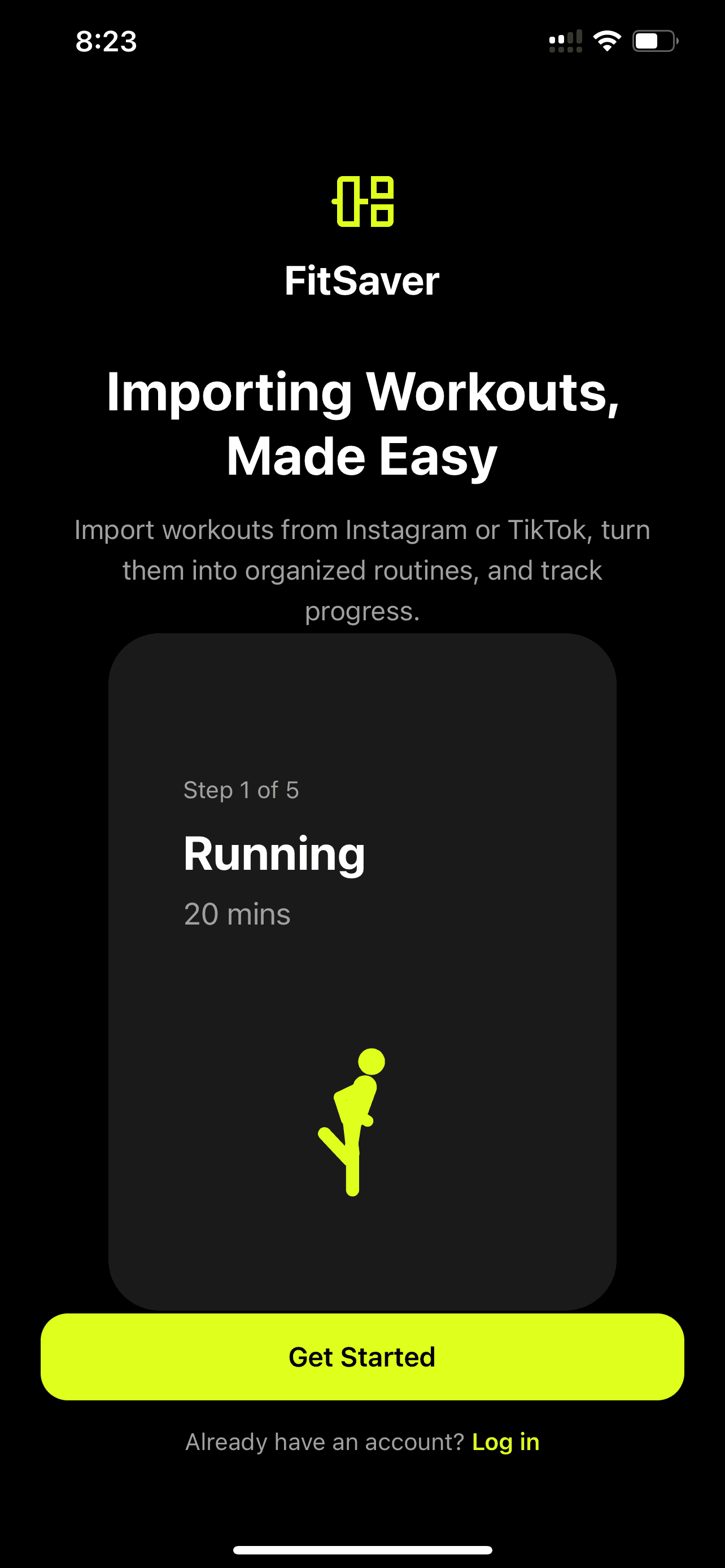
Workout Organizers: Tools that convert saved clips into structured plans—and let users schedule them—remove planning friction. Fitsaver App is one such solution, designed for people who find workouts on Instagram or TikTok and want to turn them into usable, scheduled routines.
Motivation and Mindset: The Social-Media Generation’s Advantage
People aged 18–35 are uniquely positioned to leverage social media for fitness—provided they control the content flow. The constant stream of new workouts can be an advantage if it's curated into a weekly plan. Prioritizing workouts in schedules becomes easier when inspiration is organized into a manageable pipeline of routines that map to the individual's calendar.
Framing workouts as non-negotiable commitments to self—and tracking progress publicly or in small groups—turns ephemeral motivation into long-term results.
Avoiding Common Pitfalls
Over-scheduling: Protection and progress require rest. Don't pack every free hour with training.
Perfectionism: Missing a session isn't failure. The priority is to resume the schedule quickly.
Neglecting variety: Prioritize different modalities to avoid burnout and plateaus.
Putting It All Together: A Simple 4-Step Plan
Clarify goals: Define what's most important (strength, fat loss, mobility).
Choose core sessions: Pick 3–5 sessions per week that directly address those goals.
Time-block and protect: Add those sessions to the calendar, with details and reminders.
Track and adjust: Review weekly—shift priorities based on progress and life demands.
Frequently Asked Questions
How many workouts should someone schedule each week?
It depends on goals. For general fitness, 3–5 sessions per week of 20–45 minutes works well. Strength-focused goals often require 3–4 structured sessions; endurance goals might need 4–6. Consistency and progressive overload matter more than frequency alone.
What if a workout is missed—how should someone reschedule?
Missed sessions aren’t failures. Reschedule based on priority: if the session was high priority, move it to the next feasible slot and simplify other lower-priority activities. Sometimes shortening a workout to 15–20 minutes maintains the habit when time is tight.
Can short workouts really be effective?
Yes. Research supports short, intense sessions for cardiovascular improvements and time-efficient strength circuits for maintaining muscle and improving fitness. The key is intensity, focus, and regularity.
How can someone protect workout time from social or work interruptions?
Treat workout blocks as appointments: set calendar status to "busy", inform housemates or teammates, and use physical cues (gear laid out) that signal commitment. For workplace interruptions, a shared calendar helps colleagues respect the time slot.
How does Fitsaver App help with prioritizing workouts in schedules?
Fitsaver App turns saved Instagram and TikTok workouts into organized routines and lets users schedule them directly. That eliminates the planning gap between finding a workout and doing it—making it easier to block workouts in the calendar and stick to them.
Conclusion: Make Workouts Practical, Not Perfect
Prioritizing workouts in schedules is less about willpower and more about design. By time-blocking, defining priorities, simplifying planning, and removing friction, busy people can transform social-media-fueled inspiration into consistent action. Small, deliberate choices—protected calendar slots, prepared gear, and short backup routines—add up to big changes over months.
For the social-media-first generation, tools that convert saved videos into usable routines—and integrate scheduling—bridge the gap between aspiration and action. When workouts are treated as appointments worth keeping, fitness stops being a wish and becomes part of daily life.
Summary: Start with clear goals, pick a scheduling framework (time-blocking, theme days, or micro-workouts), protect those slots like meetings, prepare in advance, and use tools that turn inspiration into scheduled plans. Prioritizing workouts in schedules is how consistency—and results—are built.

Carving a 30-minute workout into a jam-packed day often hinges less on motivation and more on smart planning—specifically, prioritizing workouts in schedules so they actually happen. For many fitness enthusiasts and busy professionals aged 18–35, the challenge isn’t knowing what to do; it’s fitting it into a life full of classes, shifts, deadlines, social plans, and endless short-form workout videos saved across Instagram and TikTok. This article lays out a practical, science-backed roadmap for turning intention into action, with real scheduling templates, habit tricks, and tools (including how the Fitsaver App can make the process seamless).
Why Prioritizing Workouts in Schedules Matters More Than Motivation
Motivation fluctuates. Energy levels vary. Life interrupts. That’s why the people who consistently exercise don’t rely on goodwill alone—they build systems. Prioritizing workouts in schedules is about designing those systems so workouts are treated like critical appointments rather than optional extras.
When workouts are scheduled and protected, several things happen:
Decision fatigue decreases: There's no daily debate about whether to train.
Accountability increases: A time on the calendar signals commitment to others and to oneself.
Habit formation accelerates: Repeating an action at a set time builds automaticity.
Performance and recovery improve: Consistency allows progressive training loads and planned rest.
Common Scheduling Roadblocks (And How to Solve Them)
Before getting into tactics, it helps to recognize common stumbling blocks:
1. "I don’t have time"
Many people underestimate what can be done in 20–30 minutes. Research shows even short, focused sessions (like high-intensity interval training) offer meaningful health and fitness benefits. Treat training like a work meeting—short, intentional, and non-negotiable.
2. "I forget or get distracted"
Distractions multiply when workouts are undefined. Blocking time, setting reminders, and preparing equipment the night before removes barriers.
3. "Saved videos are chaotic"
Social-media workouts are inspiring but scattered. Users often save dozens of clips and never structure them into a plan. That’s where tools like Fitsaver that convert short videos into routines become valuable—turning inspiration into action.
4. "I don’t know what to prioritize"
Goals guide prioritization. Weight loss, strength, mobility, or endurance each require slightly different time allocations. Once goals are clear, schedule priority follows naturally.
Frameworks for Prioritizing Workouts in Schedules
Different scheduling frameworks suit different lifestyles. Here are practical systems that help the 18–35, social-media-savvy crowd lock workouts into their weeks.
Time-Blocking (The Most Straightforward)
Time-blocking assigns specific periods for activities and protects them. For workouts, choose consistent slots—early morning, lunch, or evening—and block them on the calendar as workout or training rather than vague tags.
Example: Monday, Wednesday, Friday — 6:30–7:00 AM strength; Tuesday, Thursday — 12:30–1:00 PM cardio.
Tip: Treat the block like an appointment. Add location and buffer time for changing and showering.
Priority Pyramid
This approach ranks activities by importance. At the top are non-negotiables (sleep, work), then high-priority workouts (strength or key runs), followed by supplementary activities (bonus mobility or social classes).
Example: If training for a half-marathon, long runs get top priority; strength sessions shift to secondary slots.
Tip: Use the pyramid to decide which session to skip on busy days—skip the least essential.
Theme Days
Assign a focus to each day—“Leg Day Tuesday,” “HIIT Wednesday,” “Mobility Sunday.” Themes reduce planning time and help balance training modalities across the week.
Example: Monday—Upper Strength; Tuesday—Lower Strength; Wednesday—Active Recovery; Thursday—HIIT; Friday—Full Body; Saturday—Outdoor Activity; Sunday—Mobility.
Micro-Workout Strategy
Break workouts into short segments scattered throughout the day—three 10-minute sessions can be as effective as a continuous 30-minute workout for maintaining consistency and metabolic benefits.
Example: Morning mobility, midday strength circuits, evening walk.
Designing a Weekly Schedule: Practical Templates
Below are templates tailored to different goals and lifestyles. They show how to prioritize workouts in schedules without chaos.
Template A — Busy Student or Early-Career Professional (30–45 minutes)
Monday: AM 30-min Strength (Full Body)
Tuesday: PM 30-min Cardio/HIIT
Wednesday: AM 30-min Strength (Upper Focus)
Thursday: PM Active Recovery or Mobility
Friday: AM 30-min Strength (Lower Focus)
Saturday: 45-min Outdoor Activity / Social Sport
Sunday: Rest or Mobility
Template B — Goal: Build Strength (45–60 minutes)
Monday: Heavy Lower (Squats, Romanian Deadlifts)
Tuesday: Light Cardio + Mobility
Wednesday: Heavy Upper (Bench, Rows)
Thursday: Accessory + Conditioning
Friday: Full Body Moderate
Saturday: Active Recovery (Yoga / Walk)
Sunday: Rest
Template C — Travel or Variable Schedule
For people whose days shift unpredictably, prioritize three short sessions that can be done anywhere.
Daily: One 20-minute workout, scheduled flexibly (morning if in city, evening if on road).
Weekly: One 45-minute longer session on the least busy day.
Practical Steps to Lock a Workout Into Any Schedule
1. Determine the Minimum Effective Dose
Define the smallest session length that still moves goals forward. For general fitness, 20–30 focused minutes three times a week often produces noticeable results.
2. Use Calendar Commitments
Put workouts on the calendar like a meeting. Add details—type of workout, location, equipment, and whether it’s a priority session. Set two reminders: one 24 hours before and one 15 minutes before.
3. Prepare the Night Before
Lay out clothes, pack a bag, and queue a workout routine. Little frictions are often the biggest dealbreakers.
4. Anchor Workouts to Existing Habits
Anchor the session to a routine habit—immediately after brunch, before checking email, or right after class. The anchor helps the brain link the new action to an established trigger.
5. Batch Planning
At the start of each week, plan workouts and save the exact exercises. People who batch plan are less likely to skip due to indecision. For social-media-inspired routines, that means turning saved clips into a structured sequence.
6. Keep a Flexible Back-Up
Two things are predictable: life and unpredictability. Have a backup 15–20 minute routine for days a full workout isn’t possible. That preserves consistency.
How to Use Social Workouts Without Chaos
Short-form content like Instagram and TikTok has changed how people discover workouts, but it also creates a content management problem. For social-first fitness fans, the key is converting random saved videos into a coherent plan. That’s where a tool like the Fitsaver App shines.
Convert Saved Videos Into Action
Instead of scrolling or saving dozens of workouts, Fitsaver analyzes clips and helps turn them into order: sequencing exercises, setting rep ranges, and creating timed circuits. That removes the friction of planning and turns inspiration into a scheduled session.
Organize by Routine, Not Platform
Group similar workouts into folders or themes—“15-min HIIT,” “Mobility Flow,” “Beginner Strength.” Then slot those routines into calendar blocks based on priority. This saves time and prevents decision paralysis.
Balancing Priority: Fitness vs. Rest vs. Other Life Demands
Prioritizing workouts in schedules doesn't mean training at all costs. Recovery and life responsibilities are also priorities. The trick is balance.
Use subjective and objective measures: If energy and mood dip and the training load is high, swap a gym session for active recovery.
Build recovery into the plan: Schedule at least one full rest day and one active recovery day weekly.
Communicate commitments: Let friends, roommates, or partners know when workout time is reserved; that social boundary helps protect sessions.
Accountability Strategies That Actually Work
Public Commitment
Putting a workout on a shared calendar, committing in a group chat, or posting a story about training time increases follow-through.
Training Partners and Classes
Signing up for a class or training with a friend turns the workout into a social commitment, which is harder to skip.
Micro-Milestones and Tracking
Track small wins—consistency streaks, weights lifted, miles run. When progress is visible, people prioritize the activity that produced it.
Sample Daily Routines for Different Lifestyles
Early Riser (Student With Morning Classes)
5:45 AM — Wake, water, quick mobility
6:00–6:30 AM — Strength or HIIT session
6:35–7:00 AM — Shower and breakfast
Rest of day — Classes, study, with scheduled 10-minute mobility breaks between blocks
Lunch-Hour Trainer (Office or Remote Worker)
8:30 AM — Start work
12:00–12:45 PM — Gym or home routine (strength or cardio)
12:45–1:15 PM — Cool down, shower, lunch
Tip: Use a standing calendar invite to protect the slot.
Evening Athlete (Social or Late-Shift Worker)
6:30 PM — Gym or at-home routine
7:15 PM — Cool down and dinner prep
Tip: Choose stimulus-reducing activities before sleep to avoid late-night alertness after intense training.
Data, Metrics, and Smart Prioritization
Not every session needs equal priority. Using simple metrics helps allocate focus:
Priority Index: Rate each planned session 1–3 based on importance to goals (1 = low, 3 = high).
Energy Check: Morning self-rating (1–5). If energy <3, shift to a lower-priority or shorter session.
Weekly Consistency Metric: Track percentage of scheduled sessions completed. Aim for sustainable increases rather than dramatic spikes.
Apps that integrate scheduling with routines (like Fitsaver App) let users mark priority levels for each routine, set reminders, and track consistency—making it easier to choose what to do on a busy day.
Adapting When Life Gets Busy: Real-World Examples
Here are three short case studies showing how prioritizing workouts in schedules played out in common scenarios.
Case Study 1: College Student Juggling Exams
A student planned three strength sessions and two cardio sessions weekly. During finals, they switched two strength sessions to 15-minute mobility and breathing breaks. This preserved consistency and helped stress management without losing the habit.
Case Study 2: New Parent with Unpredictable Evenings
A new parent scheduled two 25-minute early-morning sessions and one 40-minute weekend workout. On nights with poor sleep, they swapped a full session for a 10-minute active mobility routine. The parent used an app to queue workouts and track short wins.
Case Study 3: Remote Worker With Flexible Hours
A designer used time-blocking to put workouts at midday when energy dipped. They prioritized heavy lifts two days a week and active recovery on the third. The designer used social accountability—an online training partner—to secure adherence.
Practical Tools and Tech to Support Prioritization
There are two kinds of tools that matter: scheduling tools and workout-creation tools. The best outcomes come from syncing both.
Calendar Apps: Google Calendar, Apple Calendar—use for blocking and reminders.
Habits & Task Managers: Apps like Todoist or Notion for weekly planning and checklists.
Workout Organizers: Tools that convert saved clips into structured plans—and let users schedule them—remove planning friction. Fitsaver App is one such solution, designed for people who find workouts on Instagram or TikTok and want to turn them into usable, scheduled routines.
Motivation and Mindset: The Social-Media Generation’s Advantage
People aged 18–35 are uniquely positioned to leverage social media for fitness—provided they control the content flow. The constant stream of new workouts can be an advantage if it's curated into a weekly plan. Prioritizing workouts in schedules becomes easier when inspiration is organized into a manageable pipeline of routines that map to the individual's calendar.
Framing workouts as non-negotiable commitments to self—and tracking progress publicly or in small groups—turns ephemeral motivation into long-term results.
Avoiding Common Pitfalls
Over-scheduling: Protection and progress require rest. Don't pack every free hour with training.
Perfectionism: Missing a session isn't failure. The priority is to resume the schedule quickly.
Neglecting variety: Prioritize different modalities to avoid burnout and plateaus.
Putting It All Together: A Simple 4-Step Plan
Clarify goals: Define what's most important (strength, fat loss, mobility).
Choose core sessions: Pick 3–5 sessions per week that directly address those goals.
Time-block and protect: Add those sessions to the calendar, with details and reminders.
Track and adjust: Review weekly—shift priorities based on progress and life demands.
Frequently Asked Questions
How many workouts should someone schedule each week?
It depends on goals. For general fitness, 3–5 sessions per week of 20–45 minutes works well. Strength-focused goals often require 3–4 structured sessions; endurance goals might need 4–6. Consistency and progressive overload matter more than frequency alone.
What if a workout is missed—how should someone reschedule?
Missed sessions aren’t failures. Reschedule based on priority: if the session was high priority, move it to the next feasible slot and simplify other lower-priority activities. Sometimes shortening a workout to 15–20 minutes maintains the habit when time is tight.
Can short workouts really be effective?
Yes. Research supports short, intense sessions for cardiovascular improvements and time-efficient strength circuits for maintaining muscle and improving fitness. The key is intensity, focus, and regularity.
How can someone protect workout time from social or work interruptions?
Treat workout blocks as appointments: set calendar status to "busy", inform housemates or teammates, and use physical cues (gear laid out) that signal commitment. For workplace interruptions, a shared calendar helps colleagues respect the time slot.
How does Fitsaver App help with prioritizing workouts in schedules?
Fitsaver App turns saved Instagram and TikTok workouts into organized routines and lets users schedule them directly. That eliminates the planning gap between finding a workout and doing it—making it easier to block workouts in the calendar and stick to them.
Conclusion: Make Workouts Practical, Not Perfect
Prioritizing workouts in schedules is less about willpower and more about design. By time-blocking, defining priorities, simplifying planning, and removing friction, busy people can transform social-media-fueled inspiration into consistent action. Small, deliberate choices—protected calendar slots, prepared gear, and short backup routines—add up to big changes over months.
For the social-media-first generation, tools that convert saved videos into usable routines—and integrate scheduling—bridge the gap between aspiration and action. When workouts are treated as appointments worth keeping, fitness stops being a wish and becomes part of daily life.
Summary: Start with clear goals, pick a scheduling framework (time-blocking, theme days, or micro-workouts), protect those slots like meetings, prepare in advance, and use tools that turn inspiration into scheduled plans. Prioritizing workouts in schedules is how consistency—and results—are built.
Carving a 30-minute workout into a jam-packed day often hinges less on motivation and more on smart planning—specifically, prioritizing workouts in schedules so they actually happen. For many fitness enthusiasts and busy professionals aged 18–35, the challenge isn’t knowing what to do; it’s fitting it into a life full of classes, shifts, deadlines, social plans, and endless short-form workout videos saved across Instagram and TikTok. This article lays out a practical, science-backed roadmap for turning intention into action, with real scheduling templates, habit tricks, and tools (including how the Fitsaver App can make the process seamless).
Why Prioritizing Workouts in Schedules Matters More Than Motivation
Motivation fluctuates. Energy levels vary. Life interrupts. That’s why the people who consistently exercise don’t rely on goodwill alone—they build systems. Prioritizing workouts in schedules is about designing those systems so workouts are treated like critical appointments rather than optional extras.
When workouts are scheduled and protected, several things happen:
Decision fatigue decreases: There's no daily debate about whether to train.
Accountability increases: A time on the calendar signals commitment to others and to oneself.
Habit formation accelerates: Repeating an action at a set time builds automaticity.
Performance and recovery improve: Consistency allows progressive training loads and planned rest.
Common Scheduling Roadblocks (And How to Solve Them)
Before getting into tactics, it helps to recognize common stumbling blocks:
1. "I don’t have time"
Many people underestimate what can be done in 20–30 minutes. Research shows even short, focused sessions (like high-intensity interval training) offer meaningful health and fitness benefits. Treat training like a work meeting—short, intentional, and non-negotiable.
2. "I forget or get distracted"
Distractions multiply when workouts are undefined. Blocking time, setting reminders, and preparing equipment the night before removes barriers.
3. "Saved videos are chaotic"
Social-media workouts are inspiring but scattered. Users often save dozens of clips and never structure them into a plan. That’s where tools like Fitsaver that convert short videos into routines become valuable—turning inspiration into action.
4. "I don’t know what to prioritize"
Goals guide prioritization. Weight loss, strength, mobility, or endurance each require slightly different time allocations. Once goals are clear, schedule priority follows naturally.
Frameworks for Prioritizing Workouts in Schedules
Different scheduling frameworks suit different lifestyles. Here are practical systems that help the 18–35, social-media-savvy crowd lock workouts into their weeks.
Time-Blocking (The Most Straightforward)
Time-blocking assigns specific periods for activities and protects them. For workouts, choose consistent slots—early morning, lunch, or evening—and block them on the calendar as workout or training rather than vague tags.
Example: Monday, Wednesday, Friday — 6:30–7:00 AM strength; Tuesday, Thursday — 12:30–1:00 PM cardio.
Tip: Treat the block like an appointment. Add location and buffer time for changing and showering.
Priority Pyramid
This approach ranks activities by importance. At the top are non-negotiables (sleep, work), then high-priority workouts (strength or key runs), followed by supplementary activities (bonus mobility or social classes).
Example: If training for a half-marathon, long runs get top priority; strength sessions shift to secondary slots.
Tip: Use the pyramid to decide which session to skip on busy days—skip the least essential.
Theme Days
Assign a focus to each day—“Leg Day Tuesday,” “HIIT Wednesday,” “Mobility Sunday.” Themes reduce planning time and help balance training modalities across the week.
Example: Monday—Upper Strength; Tuesday—Lower Strength; Wednesday—Active Recovery; Thursday—HIIT; Friday—Full Body; Saturday—Outdoor Activity; Sunday—Mobility.
Micro-Workout Strategy
Break workouts into short segments scattered throughout the day—three 10-minute sessions can be as effective as a continuous 30-minute workout for maintaining consistency and metabolic benefits.
Example: Morning mobility, midday strength circuits, evening walk.
Designing a Weekly Schedule: Practical Templates
Below are templates tailored to different goals and lifestyles. They show how to prioritize workouts in schedules without chaos.
Template A — Busy Student or Early-Career Professional (30–45 minutes)
Monday: AM 30-min Strength (Full Body)
Tuesday: PM 30-min Cardio/HIIT
Wednesday: AM 30-min Strength (Upper Focus)
Thursday: PM Active Recovery or Mobility
Friday: AM 30-min Strength (Lower Focus)
Saturday: 45-min Outdoor Activity / Social Sport
Sunday: Rest or Mobility
Template B — Goal: Build Strength (45–60 minutes)
Monday: Heavy Lower (Squats, Romanian Deadlifts)
Tuesday: Light Cardio + Mobility
Wednesday: Heavy Upper (Bench, Rows)
Thursday: Accessory + Conditioning
Friday: Full Body Moderate
Saturday: Active Recovery (Yoga / Walk)
Sunday: Rest
Template C — Travel or Variable Schedule
For people whose days shift unpredictably, prioritize three short sessions that can be done anywhere.
Daily: One 20-minute workout, scheduled flexibly (morning if in city, evening if on road).
Weekly: One 45-minute longer session on the least busy day.
Practical Steps to Lock a Workout Into Any Schedule
1. Determine the Minimum Effective Dose
Define the smallest session length that still moves goals forward. For general fitness, 20–30 focused minutes three times a week often produces noticeable results.
2. Use Calendar Commitments
Put workouts on the calendar like a meeting. Add details—type of workout, location, equipment, and whether it’s a priority session. Set two reminders: one 24 hours before and one 15 minutes before.
3. Prepare the Night Before
Lay out clothes, pack a bag, and queue a workout routine. Little frictions are often the biggest dealbreakers.
4. Anchor Workouts to Existing Habits
Anchor the session to a routine habit—immediately after brunch, before checking email, or right after class. The anchor helps the brain link the new action to an established trigger.
5. Batch Planning
At the start of each week, plan workouts and save the exact exercises. People who batch plan are less likely to skip due to indecision. For social-media-inspired routines, that means turning saved clips into a structured sequence.
6. Keep a Flexible Back-Up
Two things are predictable: life and unpredictability. Have a backup 15–20 minute routine for days a full workout isn’t possible. That preserves consistency.
How to Use Social Workouts Without Chaos
Short-form content like Instagram and TikTok has changed how people discover workouts, but it also creates a content management problem. For social-first fitness fans, the key is converting random saved videos into a coherent plan. That’s where a tool like the Fitsaver App shines.
Convert Saved Videos Into Action
Instead of scrolling or saving dozens of workouts, Fitsaver analyzes clips and helps turn them into order: sequencing exercises, setting rep ranges, and creating timed circuits. That removes the friction of planning and turns inspiration into a scheduled session.
Organize by Routine, Not Platform
Group similar workouts into folders or themes—“15-min HIIT,” “Mobility Flow,” “Beginner Strength.” Then slot those routines into calendar blocks based on priority. This saves time and prevents decision paralysis.
Balancing Priority: Fitness vs. Rest vs. Other Life Demands
Prioritizing workouts in schedules doesn't mean training at all costs. Recovery and life responsibilities are also priorities. The trick is balance.
Use subjective and objective measures: If energy and mood dip and the training load is high, swap a gym session for active recovery.
Build recovery into the plan: Schedule at least one full rest day and one active recovery day weekly.
Communicate commitments: Let friends, roommates, or partners know when workout time is reserved; that social boundary helps protect sessions.
Accountability Strategies That Actually Work
Public Commitment
Putting a workout on a shared calendar, committing in a group chat, or posting a story about training time increases follow-through.
Training Partners and Classes
Signing up for a class or training with a friend turns the workout into a social commitment, which is harder to skip.
Micro-Milestones and Tracking
Track small wins—consistency streaks, weights lifted, miles run. When progress is visible, people prioritize the activity that produced it.
Sample Daily Routines for Different Lifestyles
Early Riser (Student With Morning Classes)
5:45 AM — Wake, water, quick mobility
6:00–6:30 AM — Strength or HIIT session
6:35–7:00 AM — Shower and breakfast
Rest of day — Classes, study, with scheduled 10-minute mobility breaks between blocks
Lunch-Hour Trainer (Office or Remote Worker)
8:30 AM — Start work
12:00–12:45 PM — Gym or home routine (strength or cardio)
12:45–1:15 PM — Cool down, shower, lunch
Tip: Use a standing calendar invite to protect the slot.
Evening Athlete (Social or Late-Shift Worker)
6:30 PM — Gym or at-home routine
7:15 PM — Cool down and dinner prep
Tip: Choose stimulus-reducing activities before sleep to avoid late-night alertness after intense training.
Data, Metrics, and Smart Prioritization
Not every session needs equal priority. Using simple metrics helps allocate focus:
Priority Index: Rate each planned session 1–3 based on importance to goals (1 = low, 3 = high).
Energy Check: Morning self-rating (1–5). If energy <3, shift to a lower-priority or shorter session.
Weekly Consistency Metric: Track percentage of scheduled sessions completed. Aim for sustainable increases rather than dramatic spikes.
Apps that integrate scheduling with routines (like Fitsaver App) let users mark priority levels for each routine, set reminders, and track consistency—making it easier to choose what to do on a busy day.
Adapting When Life Gets Busy: Real-World Examples
Here are three short case studies showing how prioritizing workouts in schedules played out in common scenarios.
Case Study 1: College Student Juggling Exams
A student planned three strength sessions and two cardio sessions weekly. During finals, they switched two strength sessions to 15-minute mobility and breathing breaks. This preserved consistency and helped stress management without losing the habit.
Case Study 2: New Parent with Unpredictable Evenings
A new parent scheduled two 25-minute early-morning sessions and one 40-minute weekend workout. On nights with poor sleep, they swapped a full session for a 10-minute active mobility routine. The parent used an app to queue workouts and track short wins.
Case Study 3: Remote Worker With Flexible Hours
A designer used time-blocking to put workouts at midday when energy dipped. They prioritized heavy lifts two days a week and active recovery on the third. The designer used social accountability—an online training partner—to secure adherence.
Practical Tools and Tech to Support Prioritization
There are two kinds of tools that matter: scheduling tools and workout-creation tools. The best outcomes come from syncing both.
Calendar Apps: Google Calendar, Apple Calendar—use for blocking and reminders.
Habits & Task Managers: Apps like Todoist or Notion for weekly planning and checklists.
Workout Organizers: Tools that convert saved clips into structured plans—and let users schedule them—remove planning friction. Fitsaver App is one such solution, designed for people who find workouts on Instagram or TikTok and want to turn them into usable, scheduled routines.
Motivation and Mindset: The Social-Media Generation’s Advantage
People aged 18–35 are uniquely positioned to leverage social media for fitness—provided they control the content flow. The constant stream of new workouts can be an advantage if it's curated into a weekly plan. Prioritizing workouts in schedules becomes easier when inspiration is organized into a manageable pipeline of routines that map to the individual's calendar.
Framing workouts as non-negotiable commitments to self—and tracking progress publicly or in small groups—turns ephemeral motivation into long-term results.
Avoiding Common Pitfalls
Over-scheduling: Protection and progress require rest. Don't pack every free hour with training.
Perfectionism: Missing a session isn't failure. The priority is to resume the schedule quickly.
Neglecting variety: Prioritize different modalities to avoid burnout and plateaus.
Putting It All Together: A Simple 4-Step Plan
Clarify goals: Define what's most important (strength, fat loss, mobility).
Choose core sessions: Pick 3–5 sessions per week that directly address those goals.
Time-block and protect: Add those sessions to the calendar, with details and reminders.
Track and adjust: Review weekly—shift priorities based on progress and life demands.
Frequently Asked Questions
How many workouts should someone schedule each week?
It depends on goals. For general fitness, 3–5 sessions per week of 20–45 minutes works well. Strength-focused goals often require 3–4 structured sessions; endurance goals might need 4–6. Consistency and progressive overload matter more than frequency alone.
What if a workout is missed—how should someone reschedule?
Missed sessions aren’t failures. Reschedule based on priority: if the session was high priority, move it to the next feasible slot and simplify other lower-priority activities. Sometimes shortening a workout to 15–20 minutes maintains the habit when time is tight.
Can short workouts really be effective?
Yes. Research supports short, intense sessions for cardiovascular improvements and time-efficient strength circuits for maintaining muscle and improving fitness. The key is intensity, focus, and regularity.
How can someone protect workout time from social or work interruptions?
Treat workout blocks as appointments: set calendar status to "busy", inform housemates or teammates, and use physical cues (gear laid out) that signal commitment. For workplace interruptions, a shared calendar helps colleagues respect the time slot.
How does Fitsaver App help with prioritizing workouts in schedules?
Fitsaver App turns saved Instagram and TikTok workouts into organized routines and lets users schedule them directly. That eliminates the planning gap between finding a workout and doing it—making it easier to block workouts in the calendar and stick to them.
Conclusion: Make Workouts Practical, Not Perfect
Prioritizing workouts in schedules is less about willpower and more about design. By time-blocking, defining priorities, simplifying planning, and removing friction, busy people can transform social-media-fueled inspiration into consistent action. Small, deliberate choices—protected calendar slots, prepared gear, and short backup routines—add up to big changes over months.
For the social-media-first generation, tools that convert saved videos into usable routines—and integrate scheduling—bridge the gap between aspiration and action. When workouts are treated as appointments worth keeping, fitness stops being a wish and becomes part of daily life.
Summary: Start with clear goals, pick a scheduling framework (time-blocking, theme days, or micro-workouts), protect those slots like meetings, prepare in advance, and use tools that turn inspiration into scheduled plans. Prioritizing workouts in schedules is how consistency—and results—are built.